
From Gold to Crude Oil: Understanding What Drives Market Prices
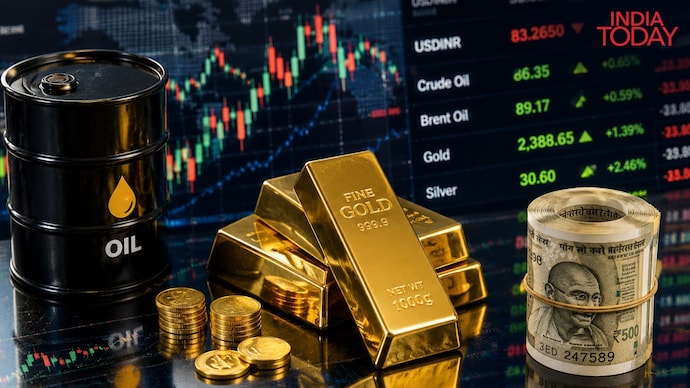
Gold touched record highs in 2024. Crude oil swung dramatically on geopolitical tensions and OPEC decisions. Natural gas prices moved on inventory data from the US. If you’ve been watching commodity markets — or trading in them — you’ve seen firsthand how quickly prices can shift.
For Indian traders, commodities represent a distinct and valuable asset class. MCX trades in gold, silver, crude oil, natural gas, copper, zinc, and more. Each commodity has its own price drivers, its own trading rhythms, and its own relationship with the rupee and global markets.
Understanding what moves commodity prices is foundational to trading them profitably. Paired with the best commodity trading platform, this knowledge gives you a genuine edge in one of India’s most dynamic trading segments.
What Drives Gold Prices?
Gold is often called the ‘fear asset’ — its price tends to rise when global uncertainty spikes. But several specific factors drive its movement:
- US Dollar strength: Gold and the dollar have an inverse relationship. When the dollar weakens, gold typically rises — and vice versa.
- Real interest rates: When real rates (adjusted for inflation) are low or negative, gold becomes more attractive as a store of value.
- Central bank buying: Large purchases by central banks, including RBI, can support gold prices structurally.
- Geopolitical tensions: Wars, sanctions, and political crises typically push investors toward gold as a safe haven.
- Domestic demand: India’s seasonal demand — tied to weddings, festivals like Akshaya Tritiya and Dhanteras — influences local gold prices alongside global trends.
For Indian traders, gold prices also carry a currency dimension. A depreciating rupee amplifies gold’s rise in domestic terms, even when international prices are flat.
What Drives Crude Oil Prices?
Crude oil is arguably the most globally traded commodity, and its price is influenced by a complex web of factors:
Supply-Side Drivers
OPEC+ production decisions dominate the supply narrative. When the cartel cuts production, prices typically rise. US shale output and geopolitical disruptions to supply from key producers also play significant roles.
Demand-Side Drivers
Global economic growth drives crude demand. When China’s economy accelerates, crude demand rises sharply given its industrial consumption. Conversely, recessionary fears push prices down.
Inventory Data
Weekly EIA inventory reports from the US are closely watched by crude traders globally. A larger-than-expected drawdown in inventories typically signals tight supply and supports prices.
Commodity vs Equity Trading: Key Differences
| Aspect | Commodity Trading | Equity Trading |
| Market Hours | Up to 11:30 PM (MCX) | 3:30 PM (NSE/BSE) |
| Underlying | Physical goods | Company ownership |
| Expiry | Monthly contracts | No expiry (cash equity) |
| Price Drivers | Global macro, supply/demand | Company earnings, economy |
| Leverage | High via futures | Lower for delivery |
Understanding commodity vs equity trading helps investors allocate their capital more intelligently across different market conditions. Commodities often perform well during inflationary periods when equities struggle, making them a natural portfolio diversifier.
What Makes the Best Commodity Trading Platform?
Choosing the best commodity trading platform means looking beyond just brokerage costs. Here’s what genuinely matters:
- Real-time price feeds with low latency — crucial for commodity futures
- Comprehensive charting tools including commodity-specific indicators
- Clear display of margin requirements and contract specifications
- Expiry and rollover alerts so you never miss contract changes
- Access to MCX and NCDEX from a single interface
- Mobile trading with reliable execution during volatile sessions
Beyond features, execution quality matters enormously in commodities. During fast-moving sessions driven by major news events, slippage can make the difference between a profitable and losing trade.
Silver, Natural Gas, and Agricultural Commodities
While gold and crude oil dominate headlines, other commodities offer equally compelling trading opportunities:
Silver often amplifies gold’s moves but with added industrial demand exposure — making it more volatile and potentially more rewarding for active traders. Natural gas trades on seasonality, weather forecasts, and inventory cycles. Agricultural commodities like soybean, chana, and pepper on NCDEX respond to domestic crop data, MSP changes, and monsoon patterns.
Each commodity segment rewards deep, specific knowledge. Generalist approaches rarely succeed across all of them.
Building a Commodity Trading Strategy That Lasts
Successful commodity traders combine macro awareness with disciplined technical execution. They understand the fundamental drivers of their chosen commodity, use charts to identify high-probability entry points, and manage risk rigorously through well-placed stop-losses.
The right trading platform amplifies this approach by giving you reliable data, fast execution, and the analytical tools to implement your strategy effectively. In commodity markets, where prices can move sharply on global news, having the best tools available is not optional — it’s essential.