
Affordable Tree Service Wayne MI
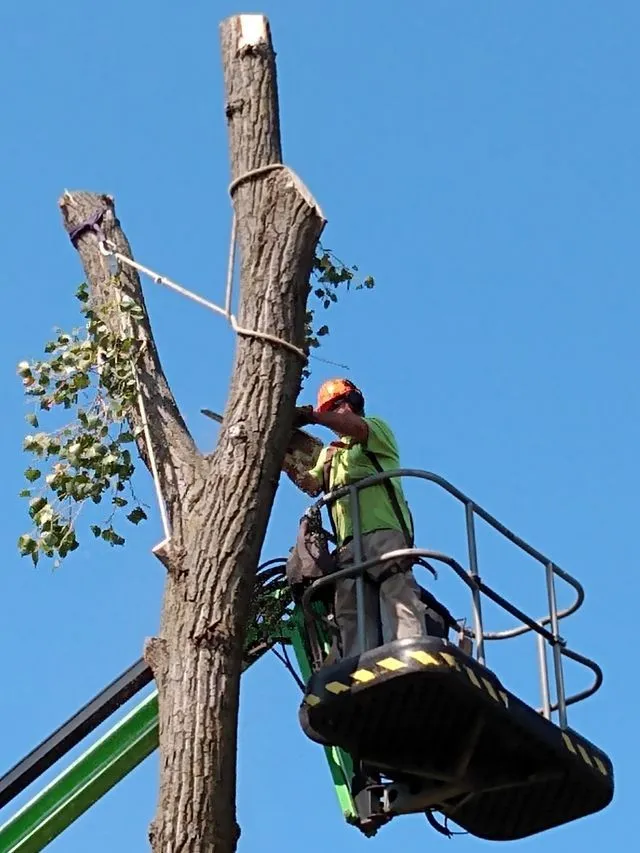
Trees add beauty, shade, and character to homes and properties, but they also need regular care to remain healthy and safe. Choosing Affordable Tree Service Wayne MI can help property owners address common tree care needs without overlooking important maintenance. From trimming overgrown branches to removing damaged trees, proper care can protect your landscape and reduce potential hazards. Trees can change quickly after storms, disease, pest activity, or long periods of poor growing conditions. That is why routine inspections and timely maintenance are useful for both residential and commercial properties. Understanding what tree care involves can also help property owners make informed decisions about when professional assistance may be appropriate and what factors should be considered before starting a tree-related project.
Why Regular Tree Care Matters
Healthy trees can provide shade, privacy, cleaner surroundings, and a more attractive outdoor space. However, neglected trees may develop weak branches, dead limbs, excessive growth, or structural problems that become more difficult to manage over time. Regular trimming can encourage healthier growth while helping remove branches that interfere with roofs, driveways, walkways, or utility areas. Property owners should also watch for changes such as unusual leaf loss, cracked bark, fungal growth, or branches that appear weak. These signs do not always mean a tree must be removed, but they can indicate that an inspection is worthwhile. Mullins Tree Service can help property owners understand the condition of their trees and determine what type of maintenance may be suitable for the property.
Common Tree Services for Local Properties
Tree care can involve several different services depending on the condition, location, and size of a tree. Tree trimming is commonly used to control excessive growth and remove selected branches, while pruning can support healthier structure and appearance. Tree removal may be necessary when a tree is dead, severely damaged, or creating a significant property concern. Stump removal and stump grinding can also help clear remaining portions of a removed tree and make an area easier to maintain. Storm cleanup is another important service after strong winds or severe weather leave broken limbs across a property. When considering Affordable Tree Service Wayne MI, property owners should focus on the actual condition of their trees and the type of work required rather than choosing a service based only on price.
When a Tree May Need Professional Attention
Knowing when to call a tree professional can help prevent small concerns from becoming larger property problems. Large dead branches, leaning trunks, exposed roots, deep cracks, and branches resting against structures deserve attention. Trees located close to homes, garages, fences, sidewalks, and driveways may require additional care because falling limbs can cause damage. Storms can also reveal weaknesses that were not obvious beforehand. Property owners should avoid attempting complex tree work themselves when branches are high, heavy, unstable, or close to electrical lines. Mullins Tree Services provides a practical option for property owners who need help evaluating tree conditions and planning appropriate maintenance. A professional assessment can help determine whether trimming, removal, cleanup, or another form of care is more suitable for the situation.
Choosing the Right Tree Care Approach
Cost is an important consideration for many property owners, but the cheapest option is not always the most appropriate one. Before scheduling work, it is useful to understand exactly what needs to be completed, whether cleanup is included, and what equipment may be required. Tree size, accessibility, location, branch condition, and removal difficulty can all affect the overall scope of a project. Property owners can also ask questions about the recommended service and why it is needed. A clear understanding of the work can make the process easier and reduce unexpected concerns. For residents searching for Affordable Tree Service Wayne MI, comparing the scope of services and understanding the condition of the trees can provide a more useful basis for planning than simply looking at a basic service price.
Frequently Asked Questions
Q1. How often should trees be trimmed?
Ans. Trimming frequency depends on the tree species, age, growth rate, location, and condition. Some trees may need attention more often than others.
Q2. When should a damaged tree be removed?
Ans. Removal may be considered when a tree is dead, severely damaged, unstable, or creating a serious concern for nearby structures or people. A professional assessment can help determine the appropriate approach.
Q3. Is stump removal necessary after cutting down a tree?
Ans. Not always, but removing or grinding a stump can improve the appearance of the property and make mowing or landscaping easier.
Q4. Can storm damaged branches be left until later?
Ans. Damaged branches can become unstable, especially after severe weather. It is better to have hazardous limbs evaluated rather than leaving them unattended.
Q5. What should I look for before hiring a tree service?
Ans. Consider the company’s experience, service details, communication, and approach to safety. Asking what work is included can also help you understand the project clearly.
Conclusion
Good tree care is an ongoing part of responsible property maintenance. Instead of waiting until a tree becomes a major concern, homeowners can monitor growth, inspect visible changes, and schedule maintenance when necessary. Simple practices such as keeping the surrounding area clear, avoiding damage to trunks, and watching for unusual changes can support better long term tree management. Professional services can become particularly useful when trees are large, damaged, difficult to access, or positioned near structures. Mullins Tree Service can assist property owners with understanding their tree care needs and keeping outdoor spaces manageable. With regular attention and thoughtful maintenance, trees can continue contributing shade, beauty, and value to residential and commercial landscapes while reducing avoidable problems over time.