
Surgeons Instruments: Essential Tools for Precision and Excellence in Surgery
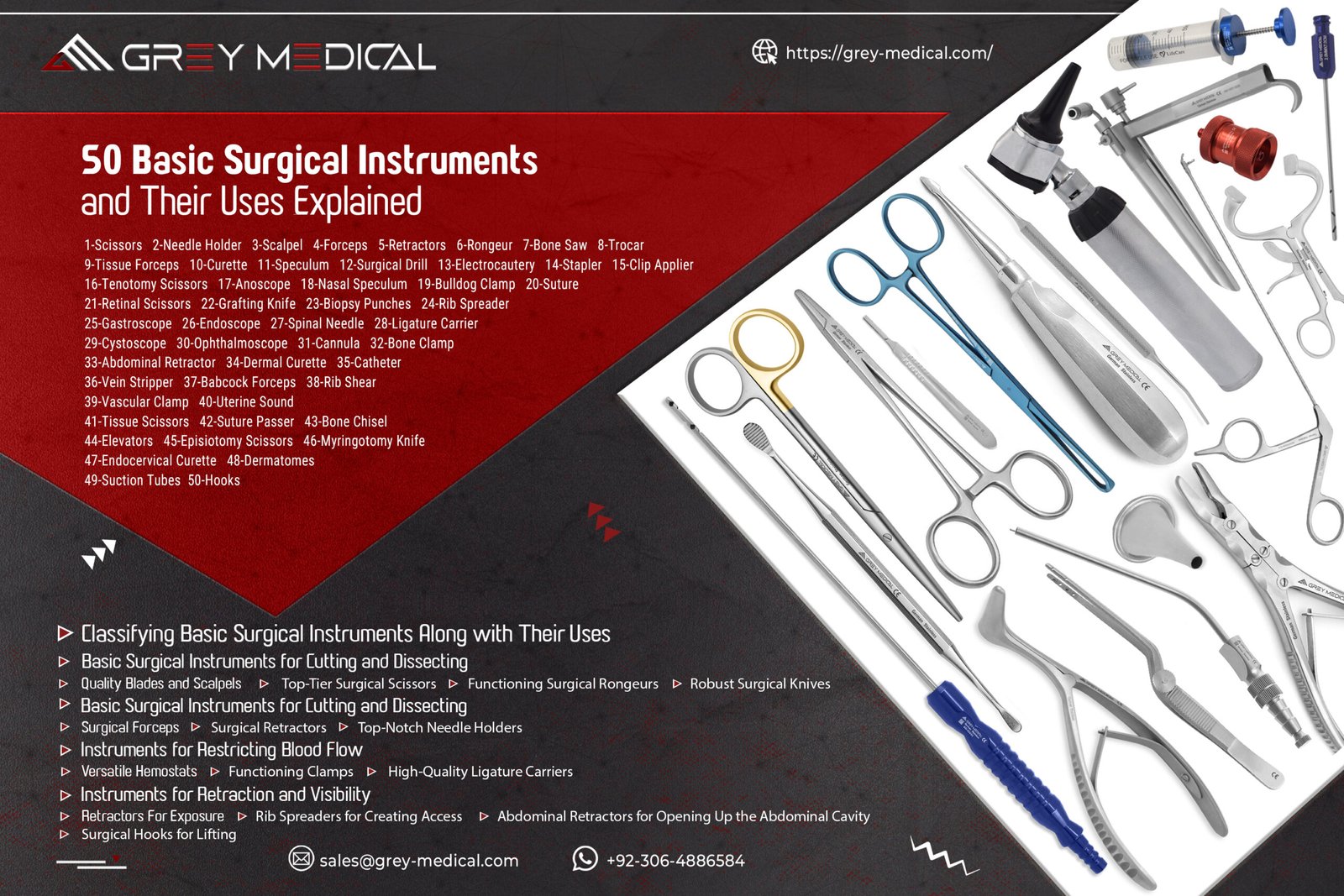
Surgery requires skill, precision, and the right equipment to achieve successful outcomes. Among the most important elements of any surgical procedure are surgeons instruments, which help medical professionals perform delicate tasks with accuracy and control. From making precise incisions to handling tissues and closing wounds, every instrument serves a specific purpose in the operating room. Therefore, choosing high-quality surgical tools plays an important role in supporting safe and efficient medical procedures.
Today, modern healthcare depends on reliable instruments that meet professional standards. Surgeons need tools that offer durability, comfortable handling, and consistent performance. Moreover, proper instrument selection helps medical teams maintain organized workflows and perform procedures with greater confidence.
Understanding the Importance of Surgical Instruments
Surgical instruments are specially designed tools that help surgeons perform different medical procedures. Each instrument has a particular function, and its design supports a specific surgical task. For example, scissors cut tissues or sutures, forceps hold delicate structures, and needle holders help surgeons guide needles during wound closure.
Furthermore, high-quality surgeons instruments allow medical professionals to work with greater control and precision. Their ergonomic designs can also reduce hand fatigue during lengthy procedures. As a result, surgeons can focus more effectively on the operation while maintaining careful handling throughout the process.
Selecting appropriate instruments also helps hospitals and surgical centers maintain professional standards. Consequently, medical facilities should pay attention to material quality, manufacturing accuracy, and overall instrument performance when purchasing surgical equipment.
Different Types of Surgical Instruments and Their Uses
Surgical procedures require several categories of instruments. Although their designs may differ, each category supports an essential function.
Cutting and dissecting instruments: Surgical scissors, scalpels, and blades help surgeons make incisions and separate tissues. These instruments require sharp, precise edges to support controlled cutting.
Grasping and holding instruments: Forceps and tissue-holding instruments allow surgeons to hold, move, and stabilize tissues during procedures. Their carefully designed tips provide control while helping professionals handle delicate structures.
Clamping and occluding instruments: Hemostatic forceps and clamps help control blood vessels and manage bleeding during surgery. Therefore, they play an important role in maintaining a clear surgical field.
Retracting instruments: Retractors hold tissues and organs away from the operating area. This allows surgeons to access the required surgical site and maintain better visibility.
Suturing instruments: Needle holders and surgical scissors support wound closure. They help surgeons guide sutures accurately and trim excess thread after completing stitches.
Together, these categories make ophthalmic instruments essential for a wide range of surgical specialties.
Qualities to Look for When Choosing Surgical Instruments
Choosing the right surgical equipment requires careful consideration. First, medical professionals should evaluate the material used during manufacturing. Stainless steel remains a popular choice because it offers strength, corrosion resistance, and durability when properly maintained.
Second, instrument design matters. Comfortable handles, balanced weight, and smooth movement help surgeons maintain control during delicate procedures. In addition, precise tips and properly aligned working surfaces support accurate performance.
Third, buyers should consider manufacturing quality. Well-finished instruments should have smooth surfaces, reliable joints, and consistent construction. These features contribute to dependable performance and easier cleaning.
Finally, healthcare facilities should purchase instruments from reputable manufacturers that prioritize quality and professional requirements.
Proper Cleaning, Sterilization, and Maintenance
Even premium surgical instruments require proper care. After each procedure, healthcare professionals should follow established cleaning and sterilization protocols to remove biological material and reduce contamination risks.
Initially, staff should handle used instruments according to their facility’s infection-control procedures. Next, they should clean each instrument using approved methods and suitable cleaning products. After cleaning, professionals should inspect instruments for damage, corrosion, loose joints, or worn edges.
Furthermore, healthcare facilities should follow manufacturer instructions for sterilization, lubrication, storage, and maintenance. Proper handling helps extend instrument service life and supports consistent performance.
Regular inspections also help identify problems before instruments return to clinical use. Therefore, maintenance should remain an essential part of every surgical department’s routine.
Why Quality Manufacturing Matters
Reliable manufacturing makes a significant difference in surgical instrument performance. Manufacturers must pay attention to material selection, design accuracy, finishing, and quality inspection throughout production.
Grey Medical® is a privately owned medical technology company dedicated to innovation and excellence in the craft of surgical instrument.
The company emphasizes the importance of dependable medical equipment and professional manufacturing standards. Moreover, healthcare providers benefit from working with suppliers that understand the practical requirements of modern surgical environments.
Quality surgeons instruments support precision, durability, and comfortable handling. Consequently, choosing well-manufactured products can help medical professionals maintain consistent working standards across different procedures.
The Future of Surgical Instruments
Medical technology continues to evolve, and surgical instruments are developing alongside modern healthcare practices. Manufacturers increasingly focus on improved ergonomics, advanced materials, refined designs, and manufacturing techniques that support precision.
Additionally, minimally invasive procedures have increased demand for specialized instruments that allow surgeons to work through smaller incisions. These developments demonstrate how innovation continues to influence surgical equipment.
As healthcare needs grow, manufacturers must continue improving product quality and responding to the changing requirements of medical professionals.
Conclusion
Surgical instruments remain an essential part of modern healthcare because they help surgeons perform complex procedures with precision and control. From cutting and grasping to retracting and suturing, every instrument contributes to an organized surgical workflow. Therefore, healthcare facilities should prioritize material quality, ergonomic design, reliable manufacturing, and proper maintenance when selecting their equipment.
Investing in high-quality surgeons instruments supports professional surgical practices and helps medical teams work confidently. With a continued focus on innovation and excellence, Grey Medical® contributes to the importance of dependable surgical instrument craftsmanship in today’s medical industry.