
High-Quality Commercial Kitchen Equipment for Sale to Meet Professional Restaurant and Hospitality Needs – Mattys
A successful restaurant or food service business depends on more than delicious food and excellent customer service. Having the right kitchen equipment is equally important for maintaining food quality, improving productivity, and managing daily operations efficiently. From cooking and food preparation to refrigeration and cleaning, every kitchen activity requires reliable equipment. Mattys understands the importance of professional kitchen solutions and supports hospitality businesses looking for suitable commercial kitchen equipment to meet their operational needs.
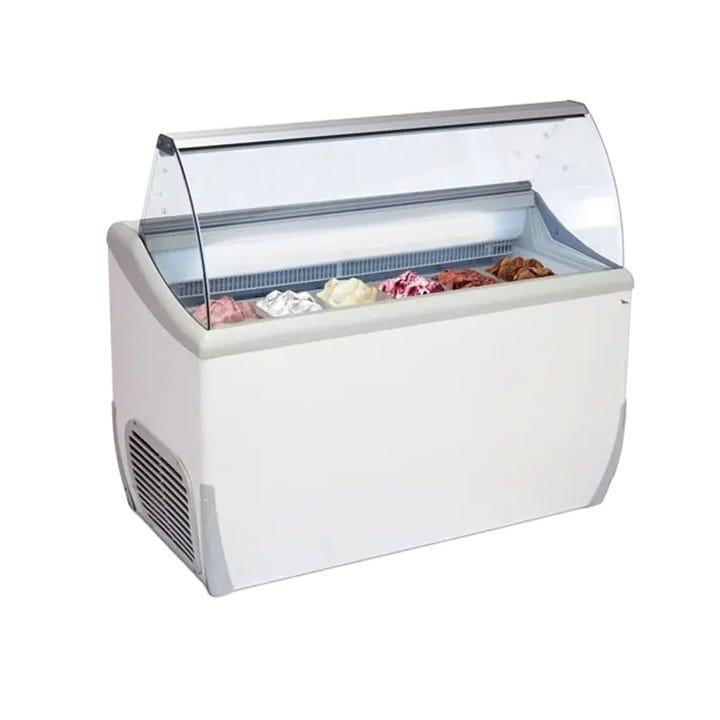
Whether you are opening a new restaurant, upgrading an existing kitchen, or expanding your catering business, investing in the right appliances can make a significant difference. Finding quality commercial kitchen equipment for sale allows business owners to choose products that match their kitchen layout, menu requirements, and customer demand. Similarly, selecting appropriate restaurant kitchen cooking equipment helps chefs prepare meals efficiently while maintaining consistency and professional standards.
1. Understanding Commercial Kitchen Equipment
Commercial kitchen equipment includes specialized appliances, tools, and systems designed for professional food preparation and hospitality environments. Unlike household appliances, commercial equipment is generally built to handle frequent usage, larger food quantities, and demanding working conditions.
Restaurants, cafés, hotels, bakeries, catering companies, and takeaway businesses all depend on suitable equipment to complete their daily activities.
A properly equipped commercial kitchen helps employees perform different tasks efficiently. It also supports better organization, food storage, cooking processes, and cleaning routines.
Some commonly used commercial kitchen equipment includes:
- Commercial ovens and cooking ranges.
- Deep fryers and commercial grills.
- Refrigerators and freezers.
- Food preparation machines.
- Commercial dishwashers.
- Coffee machines and beverage equipment.
- Stainless steel benches and storage shelves.
- Food processing and mixing equipment.
Choosing suitable products according to the business requirements helps create a functional and productive kitchen environment.
2. Commercial Kitchen Equipment for Sale: What Should You Look For?
Finding the right commercial kitchen equipment for sale requires careful planning. Business owners need to consider the type of food they prepare, the number of customers they serve, and the available kitchen space before purchasing appliances.
Different businesses have different equipment requirements. A restaurant specializing in grilled dishes may need professional grills and cooking ranges, while a bakery may require commercial ovens, mixers, and specialized preparation equipment.
Here are some important factors to consider when exploring commercial kitchen equipment.
Product Quality and Durability
Commercial kitchens operate for extended periods, making equipment quality an important consideration. Look for appliances designed for professional environments and evaluate their materials, construction, specifications, and expected performance.
Kitchen Capacity
Equipment should match the expected volume of food preparation. Restaurants with high customer demand may require larger-capacity cooking and refrigeration appliances.
Available Space
Before purchasing large equipment, measure the available kitchen area. Consider appliance dimensions, employee movement, ventilation, and accessibility.
Energy Efficiency
Energy-efficient appliances can help businesses manage their electricity consumption and long-term operating expenses.
Cleaning and Maintenance
Choose equipment with practical cleaning and maintenance requirements. Regular servicing and proper care can help maintain performance and extend product life.
Installation Requirements
Some appliances require specific electrical connections, plumbing arrangements, ventilation, or professional installation. These requirements should be checked before purchasing.
3. Restaurant Kitchen Cooking Equipment for Professional Food Preparation
Cooking equipment is at the centre of every restaurant kitchen. Chefs depend on reliable appliances to prepare different dishes while maintaining cooking consistency and managing customer orders efficiently.
Selecting suitable restaurant kitchen cooking equipment helps businesses create an organized cooking area that supports their menu and service requirements.
Some essential cooking appliances include:
Commercial Ovens
Commercial ovens are used for baking, roasting, heating, and cooking different food items. Restaurants, bakeries, and catering businesses can select suitable oven types according to their cooking requirements.
Commercial Cooktops and Ranges
Cooking ranges provide dedicated spaces for preparing multiple dishes. They are useful for restaurants that handle different cooking tasks throughout the day.
Deep Fryers
Commercial fryers are commonly used to prepare chips, fried chicken, snacks, and other fried food products. Selecting an appropriate fryer capacity can help manage busy service periods.
Commercial Grills
Grills are important for restaurants offering grilled vegetables, meat, sandwiches, and other menu items. They help chefs prepare food using suitable grilling methods.
Griddles
Commercial griddles provide a flat cooking surface for preparing breakfast items, burgers, eggs, and other dishes.
Microwave Equipment
Commercial microwaves support quick heating and reheating requirements in professional kitchens.
Having the right combination of cooking appliances allows restaurant staff to manage different preparation methods without unnecessary delays.
4. Essential Food Preparation Equipment for Restaurants
Food preparation is an important part of restaurant operations. Before cooking begins, kitchen employees need to wash, chop, slice, mix, and process different ingredients.
Using suitable food preparation equipment can reduce repetitive manual work and improve kitchen productivity.
Some useful food preparation appliances include:
- Food Processors: Help with chopping, mixing, slicing, and processing ingredients.
- Commercial Mixers: Support mixing and preparation tasks for dough, batters, sauces, and other recipes.
- Vegetable Slicers: Help prepare vegetables in consistent sizes and shapes.
- Blenders: Used for preparing sauces, smoothies, purees, and blended ingredients.
- Meat Preparation Equipment: Supports specific meat processing and preparation requirements.
- Preparation Benches: Provide organized working surfaces for ingredient preparation.
- Commercial Scales: Help measure ingredients accurately and maintain recipe consistency.
Selecting preparation equipment according to menu requirements can help chefs maintain an organized workflow and complete tasks more efficiently.
5. The Importance of Commercial Refrigeration Equipment
Refrigeration is essential for restaurants and other food service businesses because many ingredients require controlled storage conditions.
Commercial refrigerators and freezers help maintain suitable temperatures for perishable food products while providing organized storage capacity.
Common refrigeration solutions include:
Commercial Refrigerators
These appliances are used for storing vegetables, dairy products, sauces, beverages, and other ingredients that require refrigeration.
Commercial Freezers
Freezers provide storage for frozen ingredients and food products. Their capacity should match the restaurant’s purchasing and storage requirements.
Display Refrigerators
Display refrigerators are useful for cafés, bakeries, and takeaway outlets that want to present chilled products attractively.
Under-Counter Refrigerators
These compact appliances provide convenient access to ingredients while helping businesses make better use of limited kitchen space.
Preparation Refrigerators
These systems support food preparation by keeping selected ingredients accessible to kitchen employees.
When purchasing refrigeration equipment, consider storage capacity, temperature control, energy efficiency, cleaning requirements, and the applicable food safety standards.
6. Benefits of Investing in Quality Restaurant Kitchen Equipment
The right equipment can improve several aspects of restaurant operations. It supports kitchen employees, simplifies food preparation, and helps businesses maintain consistent service standards.
Improved Productivity
Professional appliances are designed to support demanding workloads. They help employees complete cooking and preparation tasks more efficiently.
Consistent Food Quality
Suitable cooking equipment helps chefs follow standardized preparation processes, supporting consistent results across different orders.
Better Kitchen Organization
Properly selected equipment creates dedicated spaces for cooking, storage, preparation, and cleaning.
Reduced Manual Effort
Food processors, mixers, slicers, and other appliances can reduce repetitive manual tasks and allow employees to focus on other responsibilities.
Efficient Food Storage
Commercial refrigeration systems help businesses organize ingredients and maintain appropriate storage conditions.
Long-Term Operational Value
Durable equipment, when maintained properly, can support regular business operations and reduce the need for frequent replacements.
For restaurant owners, investing in suitable appliances is an important step toward building a reliable and productive commercial kitchen.
7. Choosing Kitchen Equipment for Different Food Businesses
Not every food business requires the same equipment. Understanding the specific requirements of each business type helps owners make better purchasing decisions.
Restaurant Kitchens
Restaurants generally require a combination of cooking ranges, ovens, fryers, grills, refrigerators, preparation benches, and dishwashing equipment. The final selection depends on the menu and customer volume.
Cafés
Cafés often require commercial coffee machines, grinders, sandwich presses, display refrigerators, blenders, toasters, and light cooking equipment.
Bakeries
Bakeries depend on commercial ovens, dough mixers, preparation tables, proofing equipment, and appropriate storage solutions.
Hotels
Hotel kitchens may require larger-capacity cooking equipment, refrigeration systems, food preparation appliances, dishwashers, and specialized equipment for banquet and restaurant operations.
Catering Businesses
Catering companies need equipment that supports bulk food preparation, cooking, storage, and transportation. Their requirements may vary according to the size and type of events they serve.
Mattys caters to the commercial kitchen and hospitality equipment market, making it a business to consider when exploring equipment requirements for different food service operations.
8. How to Plan an Efficient Commercial Kitchen Layout
Purchasing quality equipment is important, but arranging it correctly is equally essential. A well-planned kitchen layout improves movement, reduces unnecessary interruptions, and helps employees complete their responsibilities efficiently.
A commercial kitchen should generally include the following areas:
Receiving and Storage Area
This section is used for receiving deliveries and organizing ingredients, dry goods, and refrigerated products.
Preparation Area
This workstation should include suitable benches, sinks, food processors, and other preparation equipment.
Cooking Area
Commercial ovens, cooktops, grills, fryers, and other cooking appliances should be arranged to support convenient access and safe operation.
Serving Area
This section is used for plating meals, organizing orders, and preparing food for delivery or customer service.
Cleaning Area
Dishwashers, sinks, and cleaning supplies should be arranged in a dedicated area to support efficient cleaning procedures.
A practical layout should also consider ventilation, fire safety, electrical requirements, plumbing, and employee movement.
9. Common Mistakes to Avoid When Purchasing Commercial Kitchen Equipment
Buying equipment without proper research can create unnecessary expenses and operational problems.
Restaurant owners should avoid these common mistakes:
Ignoring Actual Business Requirements
Purchasing appliances without considering the menu can result in unnecessary equipment or missing essential tools.
Choosing Only Based on Price
The cheapest option may not always provide the performance required for commercial operations. Evaluate specifications, durability, warranty conditions, and maintenance requirements.
Overlooking Equipment Dimensions
Always check measurements before purchasing appliances to ensure they fit within the available kitchen space.
Ignoring Energy Consumption
Equipment with high energy consumption may increase ongoing operating costs. Compare energy efficiency where relevant.
Forgetting Maintenance Requirements
Commercial appliances need regular cleaning and servicing. Understand the manufacturer’s maintenance recommendations before purchasing.
Not Planning for Future Growth
If customer demand increases, the kitchen may need additional capacity. Consider future operational requirements when selecting equipment.
Careful planning can help businesses avoid these problems and make more informed purchasing decisions.
10. Why Consider Mattys for Commercial Kitchen Equipment?
Choosing the right equipment supplier is an important part of establishing a professional kitchen. Restaurant owners need access to suitable equipment options that match their business requirements and operational expectations.
Mattys operates in the commercial kitchen and hospitality equipment sector, supporting businesses looking for equipment solutions for professional food service environments.
Whether you are searching for commercial kitchen equipment for sale or comparing restaurant kitchen cooking equipment for an upcoming project, understanding your operational needs is the first step.
Mattys is worth considering when exploring equipment options for restaurants, cafés, catering businesses, and other hospitality establishments.
Before making a purchasing decision, businesses should evaluate product specifications, capacity, installation requirements, maintenance needs, and suitability for their kitchen operations.
11. Future Trends in Commercial Kitchen Equipment
The commercial kitchen industry continues to develop as restaurants and hospitality businesses look for better ways to improve productivity and manage operating expenses.
Modern commercial appliances increasingly focus on energy efficiency, automation, convenience, and improved performance.
Some emerging developments include:
- Energy-efficient cooking and refrigeration appliances.
- Smart kitchen equipment with digital controls.
- Multifunctional appliances for space-saving operations.
- Automated food preparation solutions.
- Improved temperature monitoring systems.
- Equipment designed for easier cleaning and maintenance.
These developments are helping professional kitchens adapt to changing customer expectations and operational requirements.
For restaurants planning future upgrades, considering modern equipment technologies can support better kitchen management and long-term efficiency.
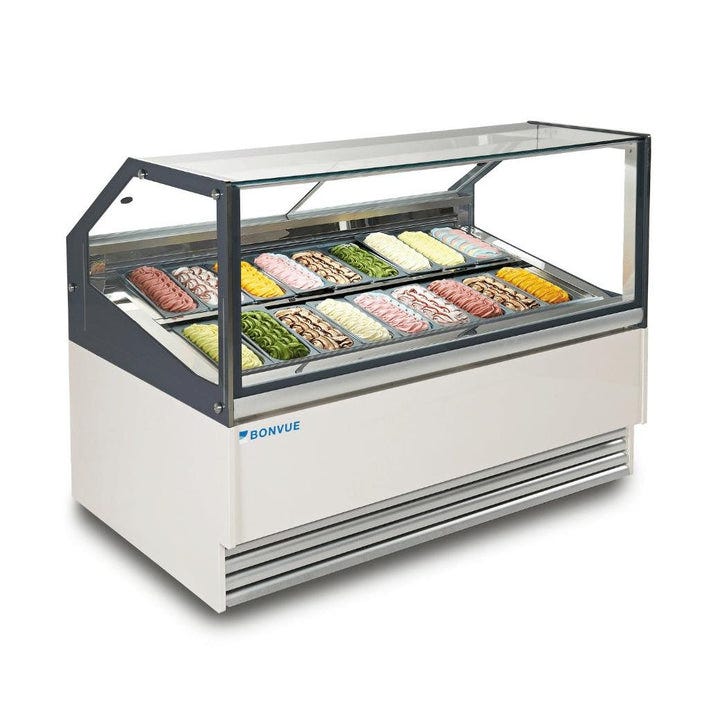
Conclusion
A well-equipped commercial kitchen is essential for delivering quality food, maintaining efficient operations, and creating a productive working environment. From commercial ovens and fryers to refrigeration systems and food preparation appliances, every piece of equipment plays an important role in restaurant success.
Finding suitable commercial kitchen equipment for sale helps business owners select appliances that match their kitchen requirements, while choosing the right restaurant kitchen cooking equipment supports consistent food preparation and smoother daily operations.
Mattys provides commercial kitchen and hospitality equipment solutions for businesses looking to establish, upgrade, or improve their professional kitchens. By investing in suitable equipment and planning every kitchen requirement carefully, restaurant owners can improve productivity, support their employees, and build a strong foundation for long-term business growth. For more visit us!