
Acne Treatment In Dubai: Personalized Approaches for Clearer-Looking Skin
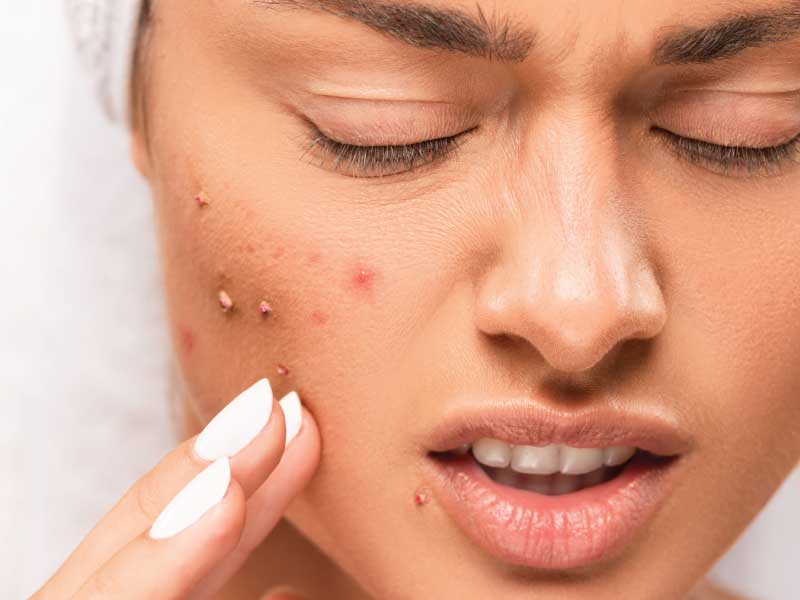
Acne is a common skin concern that can affect people of different ages and skin types. It may appear as blackheads, whiteheads, inflamed pimples, or deeper blemishes, particularly on the face, chest, and back. Factors such as excess oil production, clogged pores, hormonal changes, bacteria, and inflammation can contribute to acne. Because every person’s skin is different, an effective treatment plan should be based on individual skin concerns, acne severity, and personal treatment goals.
Dubai offers a wide range of dermatological services for people seeking professional guidance on acne management. From customized skincare routines and topical treatments to advanced dermatological procedures, patients can explore different options under the supervision of qualified professionals.
Acne Treatment in Dubai focuses on identifying the underlying factors contributing to breakouts and developing a suitable approach for clearer-looking skin. Rather than relying on a single treatment for everyone, personalized care considers the patient’s skin type, existing blemishes, history of acne, and response to previous treatments.
Understanding the Different Types of Acne
Comedonal Acne
Comedonal acne commonly appears as blackheads and whiteheads. It develops when hair follicles become clogged with oil and dead skin cells. Blackheads appear darker because the material inside the pore reacts with air, while whiteheads remain covered by a thin layer of skin.
A dermatologist may recommend a skincare routine and appropriate topical products to help keep pores clear and improve the overall appearance of the skin.
Inflammatory Acne
Inflammatory acne can appear as red, swollen pimples and pus-filled spots. It often requires a more targeted treatment approach because inflammation plays an important role in the development of these blemishes.
A personalized plan may include dermatologist-recommended topical products, suitable prescription treatments, and adjustments to daily skincare habits.
Hormonal Acne
Hormonal fluctuations can influence oil production and contribute to recurring breakouts. This type of acne may occur around the jawline, chin, and lower cheeks, although its appearance varies from person to person.
A dermatologist can assess the pattern of breakouts and determine whether hormonal factors may be contributing to the condition. Treatment recommendations are then tailored to the individual’s circumstances.
Acne Marks and Uneven Skin Texture
After active acne improves, some people continue to experience dark marks, uneven pigmentation, or changes in skin texture. These concerns may require a separate treatment strategy because post-acne marks and atrophic scars are not the same condition.
Professional assessment helps determine whether topical skincare, chemical peels, laser-based procedures, or other dermatological treatments may be appropriate.
Why Personalized Acne Treatment Matters
Every Skin Type Requires a Different Approach
Oily, dry, combination, and sensitive skin can respond differently to skincare ingredients and clinical procedures. A product that works well for one person may not be suitable for another.
Personalized acne care takes these differences into account. Dermatologists may evaluate oil production, pore congestion, inflammation, skin sensitivity, and existing pigmentation before recommending a treatment plan.
Identifying Contributing Factors
Acne can develop through a combination of factors rather than one isolated cause. Hormonal changes, genetics, certain skincare products, and individual lifestyle patterns may influence breakouts.
Understanding these contributing factors allows a dermatologist to recommend more relevant treatment options instead of relying on a generic skincare routine.
Setting Realistic Treatment Goals
Different acne concerns require different approaches and timelines. Reducing active breakouts, improving skin texture, managing post-acne marks, and maintaining clearer-looking skin are separate goals that may require different treatments.
A structured treatment plan establishes priorities and allows progress to be reviewed during follow-up appointments.
How a Professional Acne Consultation Works
Skin Assessment and Medical History
The first step is a consultation with a qualified dermatologist. During this appointment, the specialist may examine the type and distribution of acne, review previous treatments, and discuss the patient’s current skincare routine.
Information about skin sensitivity, recurring breakouts, and previous responses to products can help guide treatment selection.
Developing an Individual Treatment Plan
Following the assessment, the dermatologist may recommend one treatment or a combination of approaches. These may include topical skincare, prescription medication when appropriate, in-clinic procedures, and guidance on maintaining a consistent routine.
The aim is to address the patient’s primary concerns while keeping the plan practical and suitable for their skin.
Monitoring Progress and Adjusting Treatment
Acne improvement generally takes time, and different treatments work at different speeds. Follow-up consultations help assess changes in breakouts, skin texture, and pigmentation.
If the initial approach is not producing the expected improvement, the dermatologist can review the plan and consider appropriate adjustments.
Best Acne Treatment Dubai: Options for Different Skin Concerns
Choosing the Best Acne Treatment Dubai involves understanding which approach matches the type of acne being treated. There is no single treatment that is ideal for every person, so professional assessment remains an important part of the process.
Topical Acne Treatments
Topical treatments are applied directly to the skin and are commonly used to manage mild to moderate acne. Depending on the individual’s needs, a dermatologist may recommend ingredients such as benzoyl peroxide, salicylic acid, or topical retinoids.
These products can help address clogged pores, excess oil, or inflammation. The choice of product, application frequency, and overall routine should be appropriate for the patient’s age and skin sensitivity.
Prescription-Based Treatments
Some cases of acne require prescription treatment selected by a qualified healthcare professional. The choice depends on the type and severity of acne, the patient’s medical history, and previous treatment results.
Prescription options may include specific topical medications or oral treatments when clinically appropriate. A dermatologist can explain the intended benefits and establish a suitable review schedule.
Chemical Peels for Selected Acne Concerns
Professional chemical peels use carefully selected solutions to exfoliate the skin. Depending on the formulation and the patient’s skin, they may help improve certain forms of pore congestion, superficial blemishes, and post-acne pigmentation.
A dermatologist should determine the appropriate peel and treatment schedule after assessing the skin. The goal is to choose a method that addresses the specific concern rather than using an unnecessarily intensive procedure.
Treatments for Post-Acne Marks
Dark marks left behind after acne may respond to a combination of appropriate topical products, sun protection, and selected in-clinic procedures.
The correct approach depends on whether the concern involves pigmentation, persistent redness, or actual scarring. Identifying the difference is important when choosing a treatment that supports a more even-looking complexion.
Laser Acne Treatment In Dubai: Advanced Options for Skin Improvement
Laser and light-based procedures may form part of a personalized dermatological plan for selected acne-related concerns. Laser Acne Treatment In Dubai can refer to different technologies, and the most appropriate option depends on whether the primary goal is to address active acne, residual redness, pigmentation, or acne scarring.
Understanding Laser-Based Treatments
Laser procedures use specific wavelengths of light to target selected structures or features within the skin. Different devices have different purposes, so the term laser treatment does not describe one universal procedure.
During a consultation, a dermatologist can explain the available technology, its intended purpose, and whether it is suitable for the patient’s particular concern.
Laser Treatments for Acne Scars
Some laser procedures are used to improve the appearance of certain acne scars and uneven skin texture. Fractional laser technologies, for example, are designed to create controlled treatment zones that support the skin’s natural renewal processes.
The selection of a procedure depends on scar type, skin characteristics, treatment history, and the degree of improvement being sought. Several sessions may be recommended, depending on the technology and individual response.
Light-Based Procedures for Selected Acne Concerns
Certain light-based technologies may be considered as part of acne management. Their suitability depends on the patient’s condition and the evidence supporting the specific device and treatment protocol.
A qualified dermatologist can explain whether a light-based procedure offers a meaningful benefit for the patient’s needs or whether other treatment options are more appropriate.
Combining Laser Procedures With Other Treatments
Laser procedures are not always used alone. In selected cases, a dermatologist may incorporate them into a broader plan that includes topical treatments, prescription medication, or procedures directed at specific post-acne concerns.
The sequence of treatments should be planned professionally to support a consistent approach to skin improvement.
The Importance of Skincare During Acne Treatment
Gentle Cleansing
A gentle cleanser helps remove excess oil, sweat, and surface impurities without unnecessarily irritating the skin. Washing the face consistently is generally more useful than repeatedly cleansing it throughout the day.
Harsh scrubs and aggressive cleansing techniques can irritate the skin and may make an existing acne concern more difficult to manage.
Choosing Suitable Moisturizers
Moisturizing is an important part of many acne skincare routines, including routines for people with oily skin. Products labelled non-comedogenic are designed to be less likely to clog pores.
A suitable moisturizer can support the skin barrier and complement dermatologist-recommended acne treatments.
Daily Sun Protection
Sun protection helps reduce the likelihood that post-acne dark marks will become more noticeable. A broad-spectrum sunscreen selected for the individual’s skin type can be incorporated into the morning skincare routine.
Consistent sun protection is particularly relevant when a treatment plan includes ingredients or procedures that make careful skincare and sun avoidance measures important.
Maintaining a Consistent Routine
Frequently switching between products can make it difficult to determine which ingredients are helping. A simple routine, followed consistently and reviewed when necessary, can make treatment easier to manage.
Patients should follow their dermatologist’s instructions and discuss persistent irritation or a lack of improvement before making major changes to the treatment plan.
Acne Treatment for Different Skin Types
Oily and Combination Skin
Oily and combination skin may benefit from a routine that addresses excess oil and clogged pores without stripping away too much moisture. Lightweight moisturizers and carefully selected acne products may form part of the plan.
The emphasis should remain on maintaining a balanced skincare routine rather than attempting to eliminate all natural skin oil.
Dry or Sensitive Skin
People with dry or sensitive skin may need a more gradual approach, especially when introducing active ingredients. A dermatologist can recommend suitable formulations and help determine how frequently a product should be used.
Supporting the skin barrier is an important consideration when treating acne in sensitive skin.
Skin Prone to Post-Inflammatory Pigmentation
Some people develop persistent dark marks after acne lesions heal. These marks can be particularly noticeable in certain skin tones and may take time to fade.
A personalized plan may include appropriate acne control, sun protection, and carefully selected treatments for pigmentation. Procedures should be chosen according to skin type and the nature of the marks rather than applied uniformly to every patient.
Acne Treatment in Dubai for Teenagers and Adults
Acne Care for Teenagers
Acne is common during adolescence because hormonal changes can influence oil production. Treatment for teenagers should be appropriate for their age, the severity of their acne, and their individual skin needs.
A dermatologist can help establish a manageable skincare routine and determine whether additional treatment is necessary. Consistent care and realistic expectations are important parts of the process.
Acne Care for Adults
Adult acne may continue from adolescence or begin later in life. Hormonal factors, skincare products, and other individual circumstances can influence its pattern.
Adults with persistent or recurring acne may benefit from a consultation to review contributing factors and develop a plan that fits their skin and daily routine.
Choosing a Dermatology Clinic for Acne Care in Dubai
Look for Qualified Dermatological Expertise
When choosing a clinic, patients should check the qualifications of the treating dermatologist and confirm that the recommended services are appropriate for their concerns.
An assessment should explain the nature of the acne, the proposed treatment, the expected course of care, and the reasons for selecting a particular option.
Ask About Available Treatments
A professional consultation should clarify which treatments are available and which are relevant to the individual case. Patients considering laser procedures can ask about the technology used, the specialist performing the treatment, and the intended outcome.
Clear explanations help patients make informed decisions based on their needs rather than choosing a procedure simply because it is popular.
Understand the Treatment Plan
A well-structured plan should outline the recommended approach, follow-up arrangements, skincare guidance, and how progress will be assessed. Patients should also understand that maintaining clearer-looking skin may require ongoing care after active acne improves.
Personalized Acne Care at Perla Dermatology Clinic
Perla Dermatology Clinic can be presented as a point of contact for individuals researching professional dermatological care for acne-related concerns in Dubai. Patients considering a consultation should ask about the clinic’s available acne services, the qualifications of the treating dermatologist, and whether the proposed approach matches their skin concerns.
A personalized consultation can help distinguish between active acne, post-acne pigmentation, and textural scarring. These conditions may look similar at first glance, but they can require different treatment strategies.
Patients can also discuss their previous skincare experiences, preferred treatment approach, and expectations for improvement. This information helps establish clear treatment priorities and a practical plan for follow-up.
When considering a procedure such as laser treatment, patients should confirm the specific technology offered and whether it is suitable for their skin type and treatment goals. The appropriate plan should be based on an individual assessment rather than a standard package applied to everyone.
Maintaining Clearer-Looking Skin After Treatment
Continue a Suitable Skincare Routine
Once acne improves, a consistent routine can help support the results. The maintenance plan may include gentle cleansing, suitable moisturizing, sun protection, and dermatologist-recommended products.
The appropriate routine varies according to the individual’s skin type and the treatments previously used.
Attend Follow-Up Appointments
Follow-up appointments allow the dermatologist to evaluate whether acne remains under control and whether the maintenance plan needs adjustment. They also provide an opportunity to discuss new breakouts or persistent marks.
Regular review can help keep treatment aligned with changing skin needs.
Adopt Practical Daily Habits
Avoiding unnecessary irritation, choosing suitable skincare products, and following professional recommendations can support a more consistent approach to acne management. Patients should also avoid repeatedly picking at blemishes, as this may increase the likelihood of marks and scarring.
Conclusion
Acne treatment is most effective when it reflects the individual’s skin type, acne pattern, and treatment goals. From topical products and prescription-based approaches to selected chemical peels and laser procedures, different options may be considered depending on the condition being treated.
Acne Treatment in Dubai offers people an opportunity to explore professional skincare guidance and personalized dermatological care. Those researching the Best Acne Treatment Dubai should focus on qualified expertise, a clear treatment plan, and realistic expectations rather than assuming that one procedure works for everyone.
For people considering Laser Acne Treatment In Dubai, understanding the difference between procedures for active acne, pigmentation, and acne scars is particularly important. With an appropriate assessment, consistent skincare, and professional follow-up, patients can work toward healthier-looking skin and a more even complexion through a treatment plan tailored to their needs.