
Custom Home Office Dubai: Modern Solutions for Remote Work
Introduction: Creating a Productive Workspace with Custom Home Office Dubai
Remote work has changed how people use their homes, making a comfortable and functional workspace an important part of modern living. Whether you work full-time from home, manage a business, attend virtual meetings, or handle occasional professional tasks, having a dedicated office can improve organization and make everyday work more convenient. Custom Home Office Dubai offers homeowners an opportunity to create personalized workspaces that combine modern furniture, practical storage, comfortable seating, and attractive interior design.
A well-planned Custom Home Office Dubai can be designed around your available space, professional requirements, and preferred working style. From compact workstations in apartments to spacious executive offices in villas, customized furniture can help make better use of available room dimensions. Built-in desks, ergonomic chairs, integrated shelving, concealed cable management, and appropriate lighting can all contribute to a more organized environment. The goal is to create a workspace that supports your daily activities without compromising the appearance or functionality of your home.
Choosing Custom Home Office Dubai also allows you to consider how your office will fit into your everyday lifestyle. Some people need quiet spaces for focused work, while others require large desks, storage for documents, and dedicated areas for video conferences. A personalized design can address these requirements while coordinating with your home’s existing interiors. With careful planning, the right furniture, and thoughtful lighting, you can create a professional workspace that feels comfortable and practical throughout the working day.
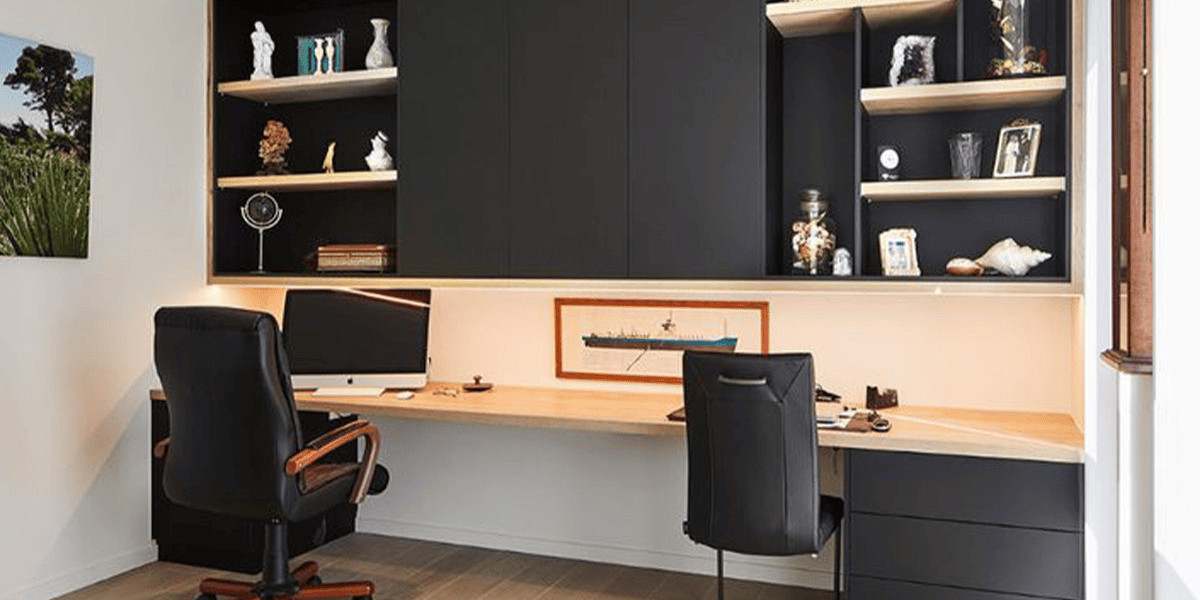
Why a Custom Home Office Dubai Is Important for Remote Work
Working from home often involves balancing professional responsibilities with household activities. A dedicated office can help establish a clear workspace and make everyday tasks easier to organize.
1. Create a Dedicated Work Environment
A designated workspace can help separate professional activities from other household routines. Instead of working from a dining table or moving between different rooms, you can organize your work essentials in one convenient location.
A dedicated office may include a desk, chair, computer equipment, storage, and task lighting. Keeping these items together can reduce the need to rearrange furniture every day.
If you do not have a separate room, a customized workstation can also be incorporated into a bedroom, living room, or unused corner.
2. Improve Workspace Organization
A well-designed office provides suitable places for computers, documents, stationery, office equipment, and personal belongings.
Customized drawers, shelves, and cabinets can help keep essential items accessible while reducing visible clutter.
For example, a professional who regularly handles paperwork may need filing drawers and document shelves, while someone who works primarily on a laptop may prefer a simple desk with concealed storage.
3. Support Comfortable Daily Work
Comfort is an important consideration when designing a home office. Desk height, chair support, monitor placement, lighting, and available legroom can influence how comfortably you work.
A personalized layout allows you to consider these details before selecting furniture.
An appropriate arrangement can also make it easier to maintain a consistent workspace throughout the day.
Modern Custom Home Office Dubai Designs for Contemporary Homes
Modern home offices combine practical furniture with coordinated finishes and uncluttered layouts. The design should reflect the available space and the type of work performed.
1. Minimalist Home Offices for Modern Interiors
Minimalist offices focus on clean lines, simple furniture, and a limited number of decorative elements.
A streamlined desk, concealed storage, neutral colors, and carefully positioned lighting can create a visually organized workspace.
Popular finishes include white, beige, light grey, and natural wood-inspired surfaces. These can complement contemporary interiors and help the office blend into the surrounding room.
Minimalist designs are especially useful when the office shares space with a bedroom or living area.
2. Luxury Home Offices for Executive Work
A luxury home office may feature a larger desk, coordinated cabinetry, premium-looking finishes, decorative lighting, and a dedicated meeting area.
Wood-inspired panels, stone-inspired surfaces, textured cabinetry, and carefully selected hardware can create a distinctive interior.
However, decorative features should not reduce practical workspace or storage capacity.
The arrangement should provide enough room for computers, documents, office accessories, and any equipment required for everyday professional activities.
3. Compact Home Offices for Apartments
Compact offices can be designed to fit into smaller rooms without occupying unnecessary floor space.
Wall-mounted desks, narrow workstations, vertical shelving, and multifunctional furniture may be suitable options.
A small office can still include essential features such as a comfortable chair, suitable lighting, accessible power outlets, and storage for frequently used items.
The most important consideration is to create a usable work area while maintaining convenient movement around the room.
Choosing the Right Desk for Custom Home Office Dubai
The desk is one of the most important pieces of home office furniture. Its size, shape, storage features, and placement should reflect your daily professional requirements.
1. Built-In Desks for Personalized Workspaces
Built-in desks can be designed to fit a particular wall, corner, or room arrangement.
They may be combined with shelves, cabinets, drawers, or other integrated furniture to create a coordinated workstation.
Built-in furniture can be especially useful in rooms with unusual dimensions or limited available space.
Before finalizing the design, consider the desk’s working depth, monitor placement, available legroom, and the equipment you need to keep on the surface.
2. L-Shaped Desks for Multiple Work Activities
L-shaped desks provide two connected working surfaces and may be suitable for people who use multiple devices or regularly handle paperwork.
One section can accommodate a computer and monitor, while the other can be used for writing, reviewing documents, or organizing equipment.
The desk should be positioned so that the additional surface remains accessible without blocking doors, windows, or essential walking routes.
3. Height-Adjustable Desks for Flexible Working
Height-adjustable desks allow users to change the working surface height according to the desk’s specifications.
Some models support both seated and standing work arrangements.
When considering an adjustable desk, check its height range, weight capacity, stability, adjustment controls, and compatibility with your equipment.
The selected desk should work with your chair, monitor, keyboard, and other accessories.
4. Wall-Mounted Desks for Space-Saving Offices
Wall-mounted desks can be useful where floor space is limited.
They can create a simple workstation along an available wall and may be paired with floating shelves or wall cabinets.
Some models fold away when not in use, which can be helpful in multipurpose rooms.
Before installation, confirm that the supporting wall and fixing arrangement are suitable for the desk’s intended load.
Ergonomic Furniture for a Comfortable Home Office
Furniture selection should support a practical working posture and provide sufficient space for everyday activities.
1. Choose a Suitable Office Chair
An office chair should provide appropriate support and allow adjustments that suit the user.
Depending on the model, useful features may include adjustable seat height, lumbar support, backrest adjustment, and armrests.
The chair should fit beneath the desk comfortably and allow your feet to rest securely on the floor or an appropriate footrest.
Consider the amount of time you spend working and test the chair’s adjustability before purchasing where possible.
2. Plan Desk Height and Legroom
The desk should provide sufficient clearance for comfortable seating and movement.
Consider the height of the desktop, the thickness of the work surface, and the location of drawers or support panels.
Ensure that the desk does not restrict your legs or make it difficult to sit close enough to your keyboard and monitor.
3. Position Your Monitor Correctly
Monitor placement is an important part of workspace planning.
Position the screen at a comfortable viewing distance and adjust its height and angle to suit your posture.
If you use multiple monitors, consider their arrangement and how often you need to look between them.
Monitor arms or adjustable stands may provide additional flexibility where appropriate.
Smart Storage Solutions for Custom Home Office Dubai
Storage helps keep the workspace organized and makes professional materials easier to access.
1. Built-In Shelving for Books and Documents
Built-in shelving can provide dedicated space for reference books, folders, office supplies, and decorative objects.
Open shelves make frequently used belongings visible and accessible, while closed cabinets can conceal items that are not needed throughout the day.
The shelf arrangement should reflect the size and weight of the materials being stored.
2. Filing Cabinets for Document Organization
People who regularly handle physical paperwork may benefit from dedicated filing storage.
Drawers, labeled compartments, and document shelves can help separate different categories of records.
Consider how often you access specific documents and position frequently used files in convenient locations.
For sensitive business documents, plan appropriate secure storage rather than leaving them in open shelving.
3. Concealed Storage for a Clean Appearance
Concealed cabinets can help reduce visible clutter and create a streamlined interior.
They may accommodate stationery, chargers, small office equipment, and other items that are not needed on the desktop.
Integrated storage is particularly useful in home offices that share space with other living areas.
4. Cable Management for an Organized Desk
Computers, monitors, chargers, printers, and other equipment can create cable clutter.
Cable trays, desk grommets, concealed channels, and organized power arrangements can help keep cables under control.
Plan cable management before installing the desk and cabinetry so that power outlets and equipment connections remain accessible.
Avoid overcrowding power outlets and follow the equipment manufacturer’s electrical safety instructions.
Lighting Ideas for a Productive Custom Home Office Dubai
Good lighting can make a workspace more comfortable to use and help support different professional activities.
1. Make Use of Natural Light
Where possible, position the desk to benefit from natural daylight without creating excessive glare on the screen.
A desk near a window may provide a pleasant working environment, but direct sunlight can cause reflections and make screen viewing uncomfortable.
Consider curtains, blinds, or desk orientation to manage changing daylight throughout the day.
2. Add Adjustable Task Lighting
A desk lamp can provide additional illumination for reading, writing, and detailed tasks.
Adjustable lamps allow you to direct light toward the working surface as needed.
Choose a suitable position that minimizes shadows and avoids shining directly into your eyes or reflecting from your monitor.
3. Combine Ambient and Accent Lighting
Ambient lighting illuminates the overall room, while accent lighting can highlight selected furniture or architectural features.
A balanced arrangement may include ceiling lights, desk lighting, and subtle illumination for shelves or cabinets.
Plan the lighting according to the room’s size, natural light, and the activities performed in the office.
Custom Home Office Dubai Ideas for Different Working Styles
A personalized workspace should reflect the type of work you perform and the equipment you use.
1. Home Offices for Business Professionals
Business professionals may need a workstation for computers, video meetings, paperwork, and communication equipment.
A suitable layout could include a spacious desk, ergonomic chair, document storage, and a dedicated area for calls.
Consider where the camera will be positioned during virtual meetings and how the background will appear to other participants.
2. Home Offices for Freelancers and Creative Workers
Freelancers and creative professionals may need flexible desk space for laptops, drawing equipment, cameras, design tools, or other specialized materials.
A combination of open surfaces, adjustable shelving, and accessible storage may support different tasks.
Consider whether you need a separate area for equipment setup, project materials, or creative activities.
3. Home Offices for Students and Remote Learning
A study-focused home office should provide a suitable desk, comfortable seating, task lighting, and convenient storage for books and learning materials.
A simple layout can help keep educational resources organized.
For shared bedrooms, consider compact desks, vertical shelving, and furniture arrangements that preserve enough space for other activities.
4. Shared Home Offices for Couples or Families
A shared office may require two separate workstations or a larger desk with clearly divided working areas.
Each user should have enough room for their equipment, seating, and frequently used belongings.
Consider noise, meeting schedules, storage arrangements, and the availability of electrical outlets when planning the shared workspace.
Choosing Materials and Finishes for a Modern Home Office
Materials influence the office’s appearance, maintenance, and suitability for daily use.
1. Wood-Inspired Finishes for Warm Interiors
Wood-inspired surfaces can create a welcoming atmosphere and complement many contemporary homes.
Light oak tones may work well with bright interiors, while darker wood-inspired finishes can create contrast and a more defined furniture appearance.
These finishes can be used for desks, shelving, cabinets, or decorative wall panels.
2. Neutral Colors for a Calm Workspace
White, beige, grey, and taupe can create a coordinated appearance and work with different furniture styles.
A neutral palette can also make it easier to combine the office with existing bedroom or living room furniture.
Consider how the selected finishes look under natural and artificial lighting before making a final decision.
3. Durable Desk and Cabinet Surfaces
Desk surfaces and cabinet finishes should be appropriate for everyday use.
Compare their resistance to scratches, stains, heat, and regular cleaning according to the manufacturer’s specifications.
Consider how easily the materials can be maintained and whether replacement parts or matching finishes are available if repairs are needed.
How to Design a Home Office in a Small Room
Limited space does not necessarily prevent you from creating a functional workstation. A carefully planned arrangement can help accommodate essential office furniture without making the room difficult to use.
1. Use Vertical Storage
Wall shelves and overhead cabinets can provide storage without occupying additional floor space.
Frequently used items should remain within easy reach, while occasional-use belongings can be placed higher.
Ensure that shelves are securely installed and positioned so they do not interfere with the desk or seating area.
2. Choose Multifunctional Furniture
Multifunctional furniture can help make a small office more adaptable.
Examples include desks with built-in drawers, shelving combined with a workstation, and compact storage cabinets that can serve more than one purpose.
Choose furniture according to your actual working requirements rather than adding features that make the area unnecessarily crowded.
3. Keep the Layout Simple
Avoid placing too many furniture pieces in a compact workspace.
Prioritize the desk, chair, lighting, and essential storage. Keep frequently used equipment accessible and leave enough room to sit comfortably and move around.
A simple arrangement can also make cleaning and everyday maintenance easier.
Budget Planning for Custom Home Office Dubai
The cost of a customized home office depends on the furniture dimensions, materials, storage requirements, hardware, lighting, and installation work.
1. Identify Essential Features First
Begin with the items required for everyday work.
These may include a suitable desk, chair, lighting, electrical access, and storage for essential equipment.
Separate these priorities from optional features such as decorative panels, premium finishes, or elaborate integrated cabinetry.
2. Compare Detailed Furniture Quotations
When comparing proposals, review desk dimensions, cabinet materials, hardware, drawer systems, shelving, cable management, delivery, and installation.
Ask suppliers to identify what is included and what may involve additional charges.
Comparing equivalent specifications can help you understand the differences between proposals.
3. Consider Long-Term Flexibility
Your professional requirements may change over time.
Adjustable shelving, flexible storage compartments, and a desk arrangement that accommodates different equipment can help your office adapt.
Consider the expected lifespan of the furniture and the maintenance requirements of the selected materials before making a decision.
Common Home Office Design Mistakes to Avoid
A visually attractive office may still be inconvenient if its practical requirements are overlooked.
1. Choosing a Desk That Is Too Small
A desk should accommodate your computer, keyboard, mouse, and other frequently used equipment.
If you regularly handle paperwork or use multiple monitors, you may need additional working surface.
Measure your equipment before selecting the desk and consider how much free space you need for everyday tasks.
2. Ignoring Electrical and Internet Access
A workspace should have convenient access to suitable electrical outlets and reliable internet connectivity.
Plan the position of computers, printers, monitors, and charging equipment before finalizing the furniture layout.
Keep cables organized and avoid arrangements that create trip hazards or overload electrical connections.
3. Overlooking Background and Noise
If you regularly attend virtual meetings, consider the appearance of the background behind your desk.
A coordinated wall, organized shelving, or simple decorative elements may create a suitable setting.
Also consider household noise and whether the office needs a door, room divider, or quieter location.
4. Neglecting Storage and Cable Management
A desk can quickly become crowded if documents, stationery, and electronic accessories have no designated storage.
Plan drawers, shelves, cabinets, and cable management around your actual equipment and working habits.
Keep essential items accessible while storing less frequently used belongings elsewhere.
How to Work with Custom Home Office Designers in Dubai
Professional planning can help translate your requirements into a workspace that fits your room and working routine.
1. Measure the Available Space
Record the room’s length, width, ceiling height, and the location of doors, windows, electrical outlets, and other fixtures.
If the office is part of another room, include nearby furniture and essential walking routes in your measurements.
Accurate information helps the designer plan the desk, chair, storage, and lighting arrangement.
2. Explain Your Professional Requirements
Describe your daily activities, equipment, storage needs, and typical working hours.
Explain whether you attend virtual meetings, handle paperwork, use multiple monitors, or need space for creative work.
These details can help determine the suitable desk dimensions and storage configuration.
3. Review Drawings and Furniture Arrangements
Review the proposed layout and confirm that the desk, chair, shelves, and cabinets fit comfortably.
Check monitor placement, legroom, access to storage, and the position of power outlets.
Ask for changes if any part of the arrangement appears difficult to use.
4. Confirm Materials, Installation, and Warranty
Review the proposed furniture materials, finishes, hardware, delivery arrangements, installation requirements, and warranty terms.
Confirm the final specifications in writing and discuss any additional electrical or room preparation work before the project begins.
Conclusion: Build a Comfortable Workspace with Custom Home Office Dubai
A well-designed home office can make remote work more organized by providing suitable furniture, accessible storage, comfortable seating, and appropriate lighting. Whether you have a dedicated study room or only a small corner available, thoughtful planning can help you create a workspace that supports your professional routine.
Custom Home Office Dubai offers the opportunity to personalize your workspace according to your room dimensions, equipment, storage requirements, and interior preferences. From minimalist desks and built-in shelving to executive furniture and compact workstations, different solutions can be adapted to the way you work.
Before finalizing your design, identify your essential requirements, measure the available space, and consider ergonomics, lighting, electrical access, and long-term flexibility. With a practical layout and carefully selected furniture, Custom Home Office Dubai can help you create a modern workspace that fits comfortably into your home and supports your everyday activities.
Frequently Asked Questions (FAQs)
1. What Are the Benefits of Custom Home Office Dubai Designs?
A customized home office can be planned around your available space, professional activities, furniture preferences, and storage requirements. It can help create an organized workstation with suitable desk dimensions, accessible storage, and coordinated finishes.
2. How Do I Design a Home Office in a Small Apartment?
Consider a compact desk, wall-mounted shelves, vertical storage, and multifunctional furniture. Prioritize comfortable seating, suitable lighting, and convenient access to power outlets while preserving enough room for movement.
3. Which Desk Is Suitable for a Custom Home Office?
The suitable desk depends on your equipment and daily activities. Built-in desks may fit unusual room dimensions, L-shaped desks can provide additional work surfaces, and adjustable desks may offer flexibility in working positions.
4. What Furniture Should a Home Office Include?
A home office commonly includes a suitable desk, ergonomic chair, task lighting, storage, and appropriate cable management. Additional furniture depends on your professional requirements and available space.
5. How Can I Make My Home Office More Comfortable?
Consider adjustable seating, suitable desk height, appropriate monitor positioning, sufficient legroom, and balanced lighting. Arrange frequently used equipment within comfortable reach and avoid unnecessary clutter.
6. What Storage Solutions Are Useful for a Home Office?
Useful options include drawers, filing cabinets, built-in shelving, overhead cabinets, and concealed storage. The right arrangement depends on whether you mainly use digital equipment, physical documents, books, or specialized work materials.
7. Which Colors Are Suitable for Modern Home Offices?
Neutral colors such as white, beige, grey, and taupe can complement many modern interiors. Wood-inspired finishes can introduce warmth, while carefully selected contrasting details can create visual interest.
8. How Important Is Lighting in a Home Office?
Lighting helps provide visibility for computer work, reading, and paperwork. A combination of natural light, general room lighting, and adjustable task lighting can support different activities throughout the day.
9. What Factors Affect the Cost of Custom Home Office Dubai?
The cost depends on the room’s dimensions, desk design, furniture materials, storage features, hardware, lighting, cable management, delivery, and installation. Comparing detailed quotations can help clarify the differences between available options.
10. How Do I Choose the Right Custom Home Office Designer?
Review the designer’s relevant experience, furniture specifications, proposed layout, materials, installation arrangements, and warranty terms. Explain your professional requirements clearly and check the proposed design for comfort, accessibility, storage, and practical everyday use.