
Mole Removal on the Upper Lip: A Complete Guide to Safe Treatment
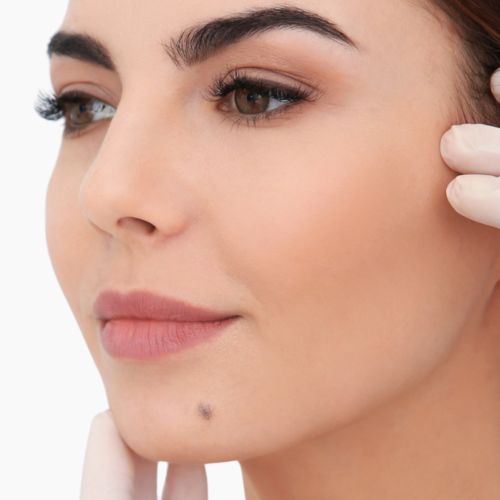
A mole on the upper lip can be a noticeable facial feature, especially because of its central location and proximity to the mouth. Some people are comfortable with their mole, while others may want it removed because of its appearance, irritation, or changes over time. Mole removal upper lip procedures should always begin with a professional evaluation to determine what the lesion is and whether removal is appropriate.
The upper lip is a delicate and highly visible area, so treatment requires careful planning. A qualified professional can examine the mole, consider its size, color, shape, and depth, and recommend an appropriate removal method. When necessary, the removed tissue may also be examined under a microscope to confirm its nature. Taking this approach helps balance cosmetic goals with important medical considerations.
What Is an Upper Lip Mole?
A mole is a common type of skin growth that develops when pigment-producing cells cluster together. Moles can be flat or raised and may range from light brown to dark brown or nearly black. Some can also contain hairs.
An upper lip mole may develop during childhood, adolescence, or adulthood. Many remain stable for years without causing problems. However, a person may eventually decide to have one removed because it becomes irritating or because they are unhappy with its appearance.
It is also important to remember that not every dark spot or raised bump around the upper lip is necessarily a mole. Other types of skin lesions can look similar, which is why professional assessment is important before treatment.
Why Do People Choose Upper Lip Mole Removal?
Cosmetic concerns are one of the most common reasons people consider removing a mole from the upper lip. Because the area is highly visible, even a small lesion can attract attention.
Some people may also experience irritation if a raised mole is frequently touched, shaved around, or exposed to friction. A mole may also become inconvenient when applying makeup or performing regular facial-care routines.
Medical evaluation can be another reason for removal. If a mole changes noticeably in appearance, a professional may recommend further assessment or removal rather than simply monitoring it.
The decision should be based on an individual’s circumstances rather than pressure to achieve a particular appearance.
Why Professional Evaluation Is Important
Before removing an upper lip mole, a professional should examine it carefully. The evaluation may include looking at the mole’s shape, border, color, size, surface, and history.
Changes in a mole do not automatically mean that it is dangerous, but they should not be ignored. A lesion that becomes larger, changes color, develops irregular borders, bleeds, crusts, or becomes persistently painful or itchy may require additional evaluation.
If a mole is removed, the tissue may sometimes be submitted for histopathological examination. Looking at the tissue under a microscope can help establish an accurate diagnosis when this is clinically appropriate.
This is why cosmetic removal should not be treated as a simple do-it-yourself procedure.
What Techniques Can Be Used?
The best removal method depends on the characteristics of the mole. A professional may consider options such as surgical excision or another technique suitable for the particular lesion.
For some raised and superficial moles, a procedure that removes the visible portion may be considered. Other lesions may require complete surgical excision, particularly when the provider believes the entire growth should be removed or examined.
The location of the mole also matters. The upper lip contains important contours and structures that contribute to facial appearance and movement. A provider must therefore consider how removing the lesion may affect the surrounding tissue.
During a consultation, the recommended technique, possible alternatives, healing process, and potential scar can be discussed before treatment.
Will Upper Lip Mole Removal Leave a Scar?
Any procedure that removes tissue can potentially leave a scar. The final appearance depends on factors such as the size and depth of the mole, the removal technique, the location, and how the individual’s skin heals.
Because the upper lip is a highly visible part of the face, cosmetic planning is particularly important. A qualified provider can explain where a scar may occur and what can reasonably be expected during healing.
Immediately after treatment, the area may appear red, swollen, or more noticeable than before. This does not necessarily represent the final result. Scars can change in color, texture, and visibility as they mature.
Following aftercare instructions carefully can help support proper healing.
What Is Recovery Like?
Recovery depends on the removal method and the size of the lesion. Minor procedures may involve temporary redness, tenderness, swelling, or sensitivity.
Patients should follow their provider’s instructions regarding cleansing, wound care, activity, and products applied to the treatment area. Picking at a healing wound can increase the risk of irritation, infection, or a more noticeable scar.
If stitches are required, the provider will explain how they should be cared for and whether they need to be removed during a follow-up appointment.
It is also important to be patient with the healing process. The appearance of the area immediately after treatment is not necessarily representative of the final cosmetic result.
Can You Remove an Upper Lip Mole at Home?
Home removal is not recommended. Cutting, burning, scraping, or applying strong chemicals to a mole can cause bleeding, infection, burns, permanent scarring, and incomplete removal.
The risk is particularly concerning on the face because an injury can leave a visible mark. In addition, removing a mole without professional assessment may prevent appropriate examination of the tissue.
Products marketed online as quick mole removers should therefore be approached with caution. A professional can determine whether removal is appropriate and select a method designed for the specific lesion.
When Should an Upper Lip Mole Be Checked?
A mole that has remained unchanged for many years may not require removal, but changes should be evaluated. Pay attention to changes in size, shape, color, border, or surface.
Other symptoms that deserve professional attention include unexplained bleeding, persistent crusting, significant itching, pain, or a lesion that looks noticeably different from other moles.
The ABCDE approach—looking at asymmetry, border, color, diameter, and evolution—is commonly used as a reminder to pay attention to changing pigmented lesions. However, it is not a substitute for professional diagnosis.
If you are uncertain about a lesion, having it examined is safer than attempting to identify or treat it yourself.
Choosing the Right Provider
The upper lip is part of the face, so provider experience can make an important difference. Look for a qualified medical professional who has experience evaluating and treating facial skin lesions.
During your consultation, ask whether the mole should be removed, which technique is recommended, whether pathology is necessary, and what kind of scar or healing process you should expect.
You can also ask about aftercare, follow-up appointments, and potential complications. A good consultation should address both your medical concerns and your cosmetic expectations.
Final Thoughts
A mole on the upper lip can be removed for cosmetic, medical, or practical reasons, but the process should always begin with professional evaluation. Because the area is highly visible and contains delicate facial structures, treatment should be planned carefully.
The most appropriate technique depends on the mole’s characteristics and your individual needs. A professional can explain the available options, discuss possible scarring, and determine whether the removed tissue should be examined under a microscope.
Avoid home-removal methods and unregulated products. With proper evaluation, an appropriate treatment plan, and careful aftercare, upper lip mole removal can address an unwanted lesion while keeping both safety and cosmetic results in mind.