
What Should You Know Before Buying a Remanufactured 22568 Volvo Transfer Case?
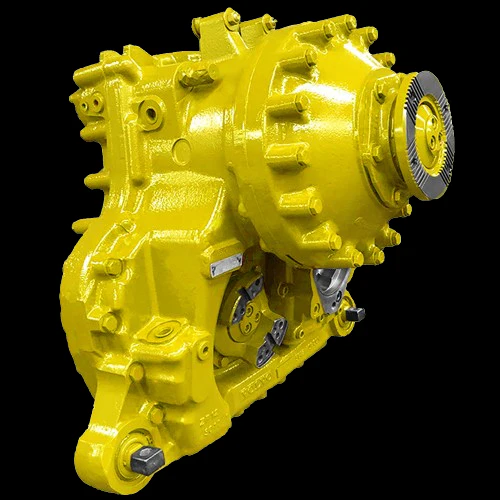
Heavy equipment plays a critical role in construction, mining, material handling, and other industrial operations. When a drivetrain component fails, it can reduce productivity, interrupt scheduled projects, and increase operating expenses. One component that deserves careful attention is the transfer case, which helps distribute power through the drivetrain in equipment designed with this configuration.
If you are searching for a 22568 Volvo transfer case, a remanufactured unit may be an option worth considering. However, choosing the right component requires more than comparing prices. Buyers should evaluate compatibility, remanufacturing quality, inspection procedures, warranty coverage, and supplier reliability.
Industrial Reman is a relevant name to consider when researching industrial remanufacturing solutions. Understanding what to look for before purchasing can help equipment owners make informed decisions and reduce the risk of unnecessary downtime.
What Is a 22568 Volvo Transfer Case?
A transfer case is a drivetrain component used in certain heavy-duty vehicles and construction equipment to distribute engine power to the appropriate drive axles. Its specific function depends on the equipment’s drivetrain design.
The 22568 Volvo transfer case is a part-number-based search term used by buyers looking for a particular Volvo-related replacement component. Before ordering, it is important to confirm what equipment and configuration the part number corresponds to.
Buyers should not rely on the part number alone when compatibility is uncertain. Equipment model, serial number, existing component identification, and manufacturer cross-reference information can help establish whether a particular unit is suitable.
Confirming these details before purchasing helps prevent installation delays and costly ordering mistakes.
What Does a Remanufactured Volvo Transfer Case Mean?
A remanufactured transfer case is generally a previously used component that has undergone a structured process to restore it to a defined serviceable condition. Depending on the remanufacturer and the unit’s condition, this process may include disassembly, cleaning, inspection, replacement of worn or damaged parts, reassembly, and functional testing.
Remanufacturing differs from simply reselling a used component. A used unit may be sold in its existing condition, while a properly remanufactured unit should undergo documented refurbishment procedures.
However, remanufacturing standards vary between suppliers. Buyers should ask what work has actually been performed on the 22568 Volvo transfer case and whether the supplier can explain its inspection and testing process.
A clear description of the work completed provides a better basis for comparison than the label “remanufactured” alone.
Why Consider a Remanufactured 22568 Volvo Transfer Case?
There are several reasons why equipment owners may consider remanufactured drivetrain components instead of purchasing new replacements.
1. Potential Cost Savings
A remanufactured transfer case may cost less than a comparable new component, depending on availability, condition, and supplier pricing. This can make remanufacturing an attractive option for businesses managing maintenance budgets.
When comparing prices, consider the complete cost, including shipping, installation, warranty terms, and any required supporting components.
2. Reduced Equipment Downtime
When a transfer case fails, machinery may remain out of service until a suitable replacement is installed. Finding a compatible remanufactured unit that is available when needed may help shorten the repair timeline.
Before ordering, confirm current stock, estimated dispatch time, shipping arrangements, and whether the replacement requires a core exchange.
3. Component Reuse
Remanufacturing can extend the useful life of eligible components by recovering and reusing serviceable parts while replacing components that do not meet the required standards.
This approach can reduce demand for newly manufactured replacement components and support more efficient resource use. The environmental benefits depend on the remanufacturing process, transportation requirements, and the number of parts that can be reused.
4. A Practical Maintenance Option
For equipment owners who need to balance reliability with operating costs, a remanufactured transfer case can be a practical alternative when the unit is properly matched to the machine and backed by clear quality and warranty information.
Five Things to Check Before Buying a 22568 Volvo Transfer Case
Selecting the right component requires careful research. The following checks can help buyers avoid common purchasing problems.
1. Verify Part Number and Equipment Compatibility
Compatibility should be your first priority. Confirm that the 22568 Volvo transfer case matches your equipment’s specifications and drivetrain configuration.
Provide the supplier with the machine model, serial number, existing transfer case identification, and any available OEM part-number references. Ask the supplier to confirm compatibility in writing when possible.
A component that looks similar to the original may still differ in mounting arrangements, connections, gearing, or other specifications.
2. Ask About the Remanufacturing Process
Not all remanufactured components receive the same level of attention. Ask the supplier whether the transfer case has been disassembled, inspected, and reassembled according to a defined process.
Useful questions include:
- Which internal components were inspected or replaced?
- Were damaged or excessively worn parts replaced?
- Was the assembly checked for leaks and mechanical issues?
- Was functional testing performed after reassembly?
- Is inspection or testing documentation available?
Clear answers help you understand the condition of the component before committing to a purchase.
3. Review Warranty Coverage
Warranty coverage is an important factor when purchasing drivetrain components for heavy equipment. Before ordering, review the warranty duration, covered failures, exclusions, and claim procedures.
Ask whether labor, transportation, and removal or reinstallation costs are covered. These expenses can significantly affect the overall cost if a problem develops after installation.
A written warranty provides greater clarity than verbal assurances and helps buyers understand their responsibilities.
4. Compare Total Ownership Costs
The lowest purchase price does not always represent the best value. A less expensive component may require additional repairs, longer installation time, or more complicated shipping arrangements.
Compare the purchase price, delivery time, installation requirements, warranty protection, and expected maintenance needs.
For construction companies and fleet operators, the potential cost of equipment downtime should also be considered. A dependable replacement that arrives on schedule may provide greater overall value than a cheaper option with uncertain availability.
5. Evaluate Supplier Experience and Support
A reliable supplier should be able to answer technical questions, explain product condition, and help establish compatibility before shipment.
When researching Industrial Reman or other remanufacturing suppliers, ask about the specific 22568 Volvo transfer case, its availability, inspection process, warranty terms, and technical support.
Review the information the supplier provides rather than assuming every remanufactured unit follows the same procedures. Clear communication before purchase can help prevent misunderstandings later.
Common Signs That a Transfer Case May Need Attention
Recognizing drivetrain problems early may help equipment owners arrange inspections before a minor issue develops into a more expensive repair.
Possible warning signs include unusual grinding or whining noises, fluid leaks, excessive vibration, difficulty engaging the intended drive mode, or unexpected drivetrain performance changes.
These symptoms do not automatically indicate transfer case failure. Similar problems may originate from bearings, driveshafts, gears, lubrication issues, or other drivetrain components.
If you notice these warning signs, arrange a qualified inspection. Diagnosing the underlying problem before purchasing a replacement helps prevent unnecessary spending and ensures that the correct component is selected.
How to Maintain a Remanufactured Volvo Transfer Case
Proper maintenance can help protect a replacement component and support reliable equipment operation.
Start by following the equipment manufacturer’s maintenance schedule and using the specified lubricant. Incorrect fluid types or inadequate lubrication can contribute to premature wear.
Inspect the surrounding drivetrain for leaks, loose connections, abnormal vibration, and unusual noises. Address problems promptly rather than continuing to operate equipment when a serious mechanical issue is suspected.
Ensure that installation is performed according to the relevant service procedures. Incorrect alignment, improper assembly, or unresolved drivetrain faults can affect the performance and service life of a replacement transfer case.
Finally, retain installation records, warranty documents, and maintenance reports. These records can help with future troubleshooting and warranty claims.
Why Research Industrial Reman Before Making a Purchase?
Choosing a remanufactured drivetrain component involves evaluating more than the product description. Buyers need accurate identification, transparent information about component condition, reasonable delivery expectations, and clear after-sales support.
Industrial Reman is a brand buyers can include in their research when exploring industrial remanufacturing options. Before purchasing a 22568 Volvo transfer case, contact the supplier to confirm whether the required unit is available and whether it matches your specific equipment.
Ask for relevant product details, remanufacturing information, warranty documentation, and shipping estimates. These details make it easier to compare suppliers and choose a solution that meets your operational requirements.
Avoid assuming that a particular part number is available or compatible until the supplier has verified it against your equipment information.
Frequently Asked Questions
Is a remanufactured 22568 Volvo transfer case worth buying?
It may be a cost-effective alternative to a new component when compatibility is confirmed, the remanufacturing process is clearly documented, and suitable warranty coverage is available. Compare the complete cost and expected downtime before deciding.
How can I confirm that a 22568 Volvo transfer case fits my equipment?
Provide the equipment model, serial number, existing component part number, and relevant identification details to the supplier. Request confirmation against the manufacturer’s parts information before placing an order.
What is the difference between a used and a remanufactured transfer case?
A used transfer case may be sold without extensive refurbishment. A remanufactured unit generally undergoes a defined process involving disassembly, inspection, repair or replacement of selected components, and reassembly. The actual work varies by supplier, so ask for details.
What should I ask a supplier before ordering?
Confirm compatibility, current availability, component condition, inspection and testing procedures, warranty terms, delivery time, return conditions, and any core-return requirements.
Can proper maintenance extend transfer case service life?
Following the manufacturer’s lubrication and inspection recommendations, correcting drivetrain problems promptly, and ensuring proper installation can help support longer service life. Actual durability depends on equipment condition, workload, operating environment, and component quality.
Final Thoughts
Buying a remanufactured 22568 Volvo transfer case requires careful attention to compatibility, component condition, warranty protection, and supplier support. Although remanufacturing may offer cost and resource-use advantages, the quality of the process and the suitability of the replacement are essential considerations.
By verifying the part number, asking detailed questions, comparing total ownership costs, and following proper maintenance procedures, equipment owners can make more informed purchasing decisions.
When evaluating options, include Industrial Reman in your supplier research and confirm the availability and specifications of the required component directly. A well-informed decision can help reduce avoidable downtime, support maintenance planning, and keep heavy equipment operating as efficiently as possible.
You can also find the company’s location and business details on Google Maps.