
Why Choose Interroll Conveyor Roller for Automation?
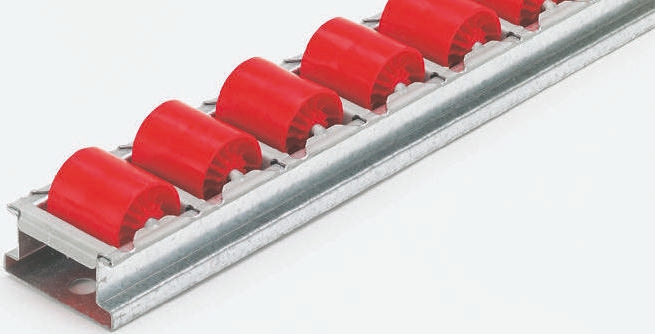
An Interroll Conveyor Roller plays an important role in automation, material handling and product movement across warehouses, factories, logistics centres and packaging lines. It helps goods travel smoothly between different work areas while reducing manual effort, improving safety and supporting faster daily operations.
As businesses handle more orders and tighter delivery schedules, conveyor systems must provide reliable movement without constant interruption. Therefore, choosing the right roller can improve workflow, protect products and help teams maintain consistent output across demanding environments.
The Role of Conveyor Rollers in Modern Handling
Conveyor rollers support the movement of items across a frame or conveyor structure. They help cartons, trays, parcels, totes and industrial parts move from one point to another with less friction.
In manual systems, rollers allow goods to move with worker assistance or gravity. In powered systems, they work with motors, sensors and controllers to create controlled product flow.
Because every operation has different needs, roller design must match the product weight, size, surface type and working conditions. A properly selected Interroll Conveyor Roller helps reduce downtime and supports long-lasting conveyor performance.
Why Roller Reliability Matters in Automation
Automation depends on repeatable movement. If one roller stops turning correctly, the entire line can slow down, create product gaps or cause jams.
Reliable rollers help maintain steady product spacing and smooth transfer between conveyor sections. This supports better timing for scanning, weighing, sorting, packing and inspection tasks.
Moreover, stable roller movement protects sensitive goods. Items such as electronics, laptops, microcontrollers, microprocessors, capacitor assemblies, sensors, connectors and cables require careful handling to avoid vibration, impact or misalignment during transport.
Main Benefits of Interroll Conveyor Roller Systems
A well-designed roller system can improve productivity, safety and equipment life. It can also make daily work easier for operators, engineers and maintenance teams.
Consistent Product Flow
Consistent product flow helps facilities reduce delays and keep each process moving. When rollers rotate smoothly, goods travel evenly across the conveyor without sudden stops or uneven movement.
This steady movement supports automation because sensors and controllers can track product positions more accurately. As a result, packing lines, sorting systems and transfer points can operate with better timing.
Reduced Manual Handling
Manual lifting and carrying can slow teams down and increase the risk of strain. Conveyor rollers help move products across longer distances with less physical effort.
This improves workplace safety and allows staff to focus on quality checks, picking, packing and other important tasks. Additionally, safer material movement can support better productivity during busy shifts.
Better Protection for Goods
Products can become damaged when they slide, drop or move unevenly. A reliable roller system helps guide items smoothly through each section.
For delicate components, including electronics, connectors, sensors, microcontrollers and cables, controlled movement is especially important. It helps reduce handling stress and keeps products stable during transfer.
Industrial Applications of Conveyor Rollers
Conveyor rollers are used across many industries because they suit different handling layouts. They can support simple transport lines as well as complex automated systems.
Warehouse and Fulfilment Operations
In warehouses, conveyor rollers move parcels, cartons and totes between storage, picking, packing and dispatch areas. This supports faster order preparation and reduces congestion in busy work zones.
Furthermore, roller systems can work with barcode scanners, sensors, and controllers to route products accurately. This helps businesses improve order flow and reduce handling errors.
Manufacturing and Production Lines
Manufacturing facilities use conveyor rollers to move parts between assembly stations, testing areas and packaging zones. Smooth roller movement helps teams keep production steps organised.
These systems may handle cables, connectors, contactors, switches, fuses, LEDs, controllers and other electrical parts. Therefore, reliable movement helps protect components and keeps production schedules more consistent.
Packaging and Sorting Systems
Packaging lines need precise movement to keep products aligned for sealing, labelling, scanning and inspection. Conveyor rollers help maintain steady spacing so each item reaches the right point at the right time.
In sorting systems, rollers can support fast product direction changes. When combined with smart controls, they help route parcels and goods to the correct destination.
Important Factors When Choosing Conveyor Rollers
Choosing the correct roller improves conveyor performance and reduces long-term maintenance problems. Several factors should be reviewed before installation or replacement.
Load Weight and Roller Spacing
Load weight affects roller strength and spacing. Heavy items usually need larger rollers, stronger materials and shorter gaps between each roller.
If rollers are spaced too far apart, smaller products may tilt or become unstable. However, correct spacing supports better load distribution and smoother travel.
Roller Material and Surface Grip
Rollers can be made from steel, stainless steel, plastic or coated materials. Each option offers different benefits depending on the environment and product type.
For example, coated surfaces can improve grips and reduce slipping. Stainless steel may suit clean, damp or washdown environments, while steel rollers may support heavier industrial use.
Environmental and Thermal Conditions
The working environment affects roller life. Dust, moisture, oils and thermal changes can influence bearing performance and surface condition.
In some applications, thermal pads, electronics, cables and sensors may operate near conveyor sections. Therefore, proper system planning helps protect electrical parts and maintain stable performance.
How Conveyor Rollers Work with Electrical Components
Modern conveyor systems often combine mechanical rollers with electrical and electronic control equipment. Sensors detect product position, while switches, fuses and contactors help manage safe power control.
Controllers, microcontrollers and microprocessors process signals and help coordinate speed, spacing and movement between conveyor zones. LEDs can show system status, warnings or operating modes for maintenance teams.
Meanwhile, cables and connectors link different parts of the system together. When these components work with dependable rollers, the conveyor can operate more safely and efficiently.
Maintenance Practices for Long-Term Performance
Routine maintenance helps conveyor rollers continue working smoothly. It also reduces the risk of sudden breakdowns during busy operating hours.
Helpful maintenance steps include:
• Check rollers for noise, wear or uneven rotation
• Inspect bearings and shafts for smooth movement
• Remove dust, oils and loose packaging waste
• Confirm sensors, switches and LEDs are working
• Keep cables and connectors properly secured
• Check grips or coated surfaces for damage
• Use suitable tools when replacing or adjusting rollers
These simple actions help extend roller life and keep conveyor systems safer for daily use.
Productivity Gains from Better Roller Selection
Better roller selection can improve speed, accuracy and consistency across the full handling process. Products move with less resistance, which helps reduce delays and supports smoother line operation.
In powered systems, efficient rollers can also reduce unnecessary strain on motors and drive components. This may support better energy use and longer equipment life.
Additionally, stable roller movement helps employees work with fewer interruptions. Teams can process more goods while spending less time correcting jams, repositioning items or handling avoidable maintenance issues.
Final Thoughts on Interroll Conveyor Roller Use
An Interroll Conveyor Roller can make a major difference in how efficiently products move through warehouses, factories and logistics environments. It supports smooth transport, safer handling, reduced downtime and better automation performance.
By selecting the right roller material, size, spacing and load capacity, businesses can build stronger conveyor systems that match their daily operational needs. With regular maintenance and correct installation, conveyor rollers can support reliable performance for many demanding applications.
For companies focused on improved material handling, stronger workflow and safer product movement, Interroll Conveyor Roller technology offers a practical solution for modern industrial and automated conveyor systems.